Honoring Heroes: Memorial Day Services Explained
Memorial Day is more than just a long weekend; it is a solemn occasion dedicated to honoring the brave men and women who have sacrificed their lives for our country. Each year, communities across the nation come together to remember these heroes through various services and ceremonies. Understanding the significance of these events can deepen our appreciation for their sacrifices and the values they represent. In this blog post, we will explore the different types of Memorial Day services, their historical context, and how you can participate in honoring our heroes.
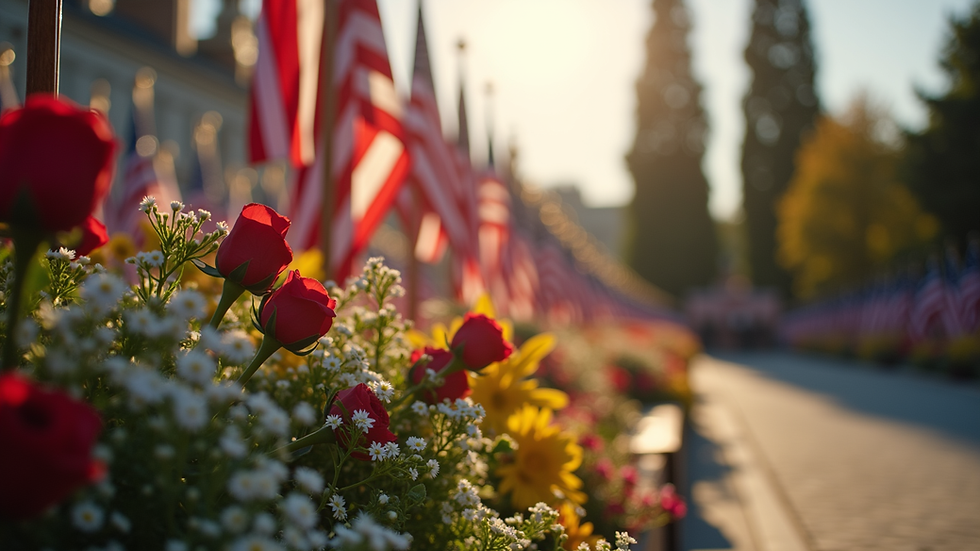
The Historical Significance of Memorial Day
Memorial Day, originally known as Decoration Day, was established after the Civil War to commemorate the Union and Confederate soldiers who died in the conflict. The first official observance took place on May 30, 1868, when General John A. Logan called for a nationwide day of remembrance. Over the years, the holiday has evolved to honor all American military personnel who have died in service to their country.
Key Historical Milestones
1868: The first Decoration Day is observed.
1971: Memorial Day is declared a national holiday, observed on the last Monday in May.
2000: The National Moment of Remembrance is established, encouraging Americans to pause at 3 PM local time to remember those who have died in military service.
Understanding this history helps us appreciate the depth of the observances and the importance of honoring those who have made the ultimate sacrifice.
Types of Memorial Day Services
Memorial Day services vary widely across the country, reflecting local traditions and the unique ways communities choose to honor their fallen heroes. Here are some common types of services you might encounter:
1. Memorial Ceremonies
These ceremonies often take place at cemeteries, memorial parks, or veterans' organizations. They typically include:
Speeches: Local leaders, veterans, or family members share stories and reflections.
Wreath Laying: A symbolic act where wreaths are placed at memorials or gravesites.
Moment of Silence: A time for attendees to reflect and remember the sacrifices made.
2. Parades
Many towns and cities host parades featuring veterans, military personnel, and community groups. These parades often include:
Marching Bands: Playing patriotic music to honor the occasion.
Floats: Decorated to represent various branches of the military or local organizations.
Veteran Participation: Veterans are often invited to ride in vehicles or march, showcasing their service.
3. Community Events
In addition to formal ceremonies, many communities organize events that foster a spirit of remembrance and unity. These can include:
Picnics and Barbecues: Families and friends gather to celebrate while remembering those who served.
Educational Programs: Schools and local organizations may host events to teach younger generations about the significance of Memorial Day.
Volunteer Opportunities: Many organizations encourage community service as a way to honor fallen heroes.
4. Virtual Services
In recent years, especially during the pandemic, virtual services have become more common. These can include:
Live Streams: Ceremonies broadcast online for those unable to attend in person.
Social Media Tributes: Posts honoring veterans and sharing their stories.
How to Participate in Memorial Day Services
Participating in Memorial Day services is a meaningful way to honor those who have served. Here are some ways you can get involved:
Attend a Local Ceremony
Find out if your community is hosting a Memorial Day ceremony. Attending these events shows support for veterans and their families. It also provides an opportunity to learn more about local history and the sacrifices made by service members.
Volunteer
Many organizations seek volunteers to help with Memorial Day events. Whether it’s setting up for a parade, assisting with a community picnic, or helping at a local veterans' organization, your time can make a difference.
Educate Yourself and Others
Take the time to learn about the history of Memorial Day and the stories of those who served. Share this knowledge with friends and family to keep the memory of these heroes alive.
Visit a Cemetery or Memorial
Consider visiting a local cemetery or memorial to pay your respects. You can bring flowers or flags to place at gravesites, honoring those who have sacrificed their lives.
The Importance of Remembering
Memorial Day serves as a reminder of the sacrifices made by countless individuals in the name of freedom. It is essential to recognize that these heroes come from diverse backgrounds and experiences. By honoring their memory, we not only pay tribute to their bravery but also reinforce the values of courage, sacrifice, and patriotism.
Personal Stories of Sacrifice
Many families have personal stories of loss that are tied to Memorial Day. For instance, the story of a soldier who served in World War II and never returned home can resonate deeply within a community. Sharing these stories during Memorial Day services can create a powerful connection among attendees, fostering a sense of unity and remembrance.
Conclusion
Memorial Day is a time for reflection, gratitude, and honoring the sacrifices made by our military heroes. By participating in local services, volunteering, and educating ourselves and others, we can ensure that the memory of those who served lives on. As we gather to remember, let us carry forward their legacy of bravery and commitment to our nation. This Memorial Day, take a moment to honor the heroes who have given so much for our freedom.


Post 150 Memorial Day ceremony